Another month has flown by. I don't check blogs as much as I used to... maybe on Instagram more now I guess.
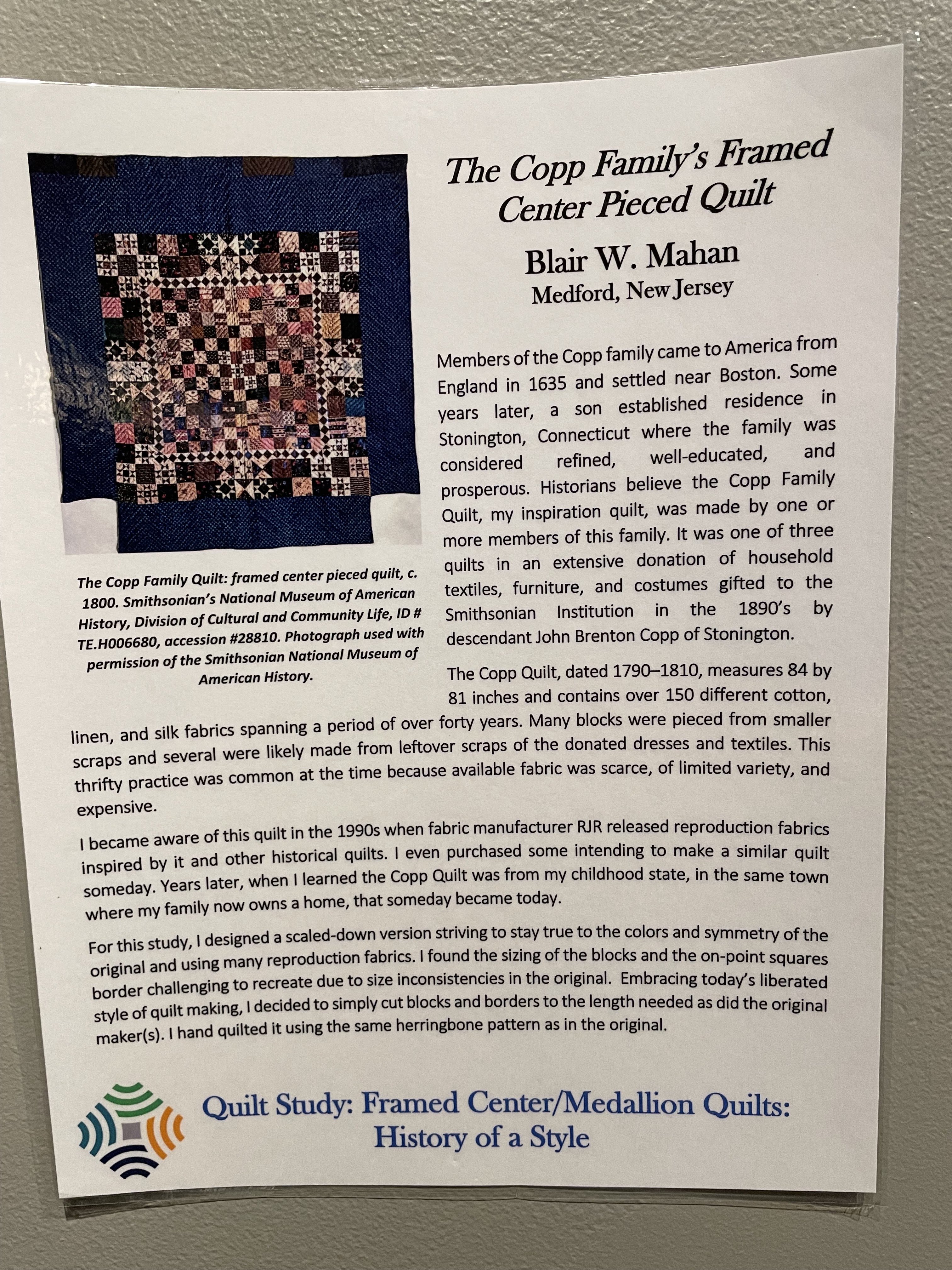
I never posted anything last month about seeing the AQSG Medallion Quilts at the New England Quilt Museum. The truth is, I got my times mixed up and it turned out David and I had to just fly through the exhibit before the museum closed. Still, what a treat to see this traveling exhibit!
Here are a few - and Lori of Humble Quilts has just posted more on her blog here with really great photos and details. Please check it out!
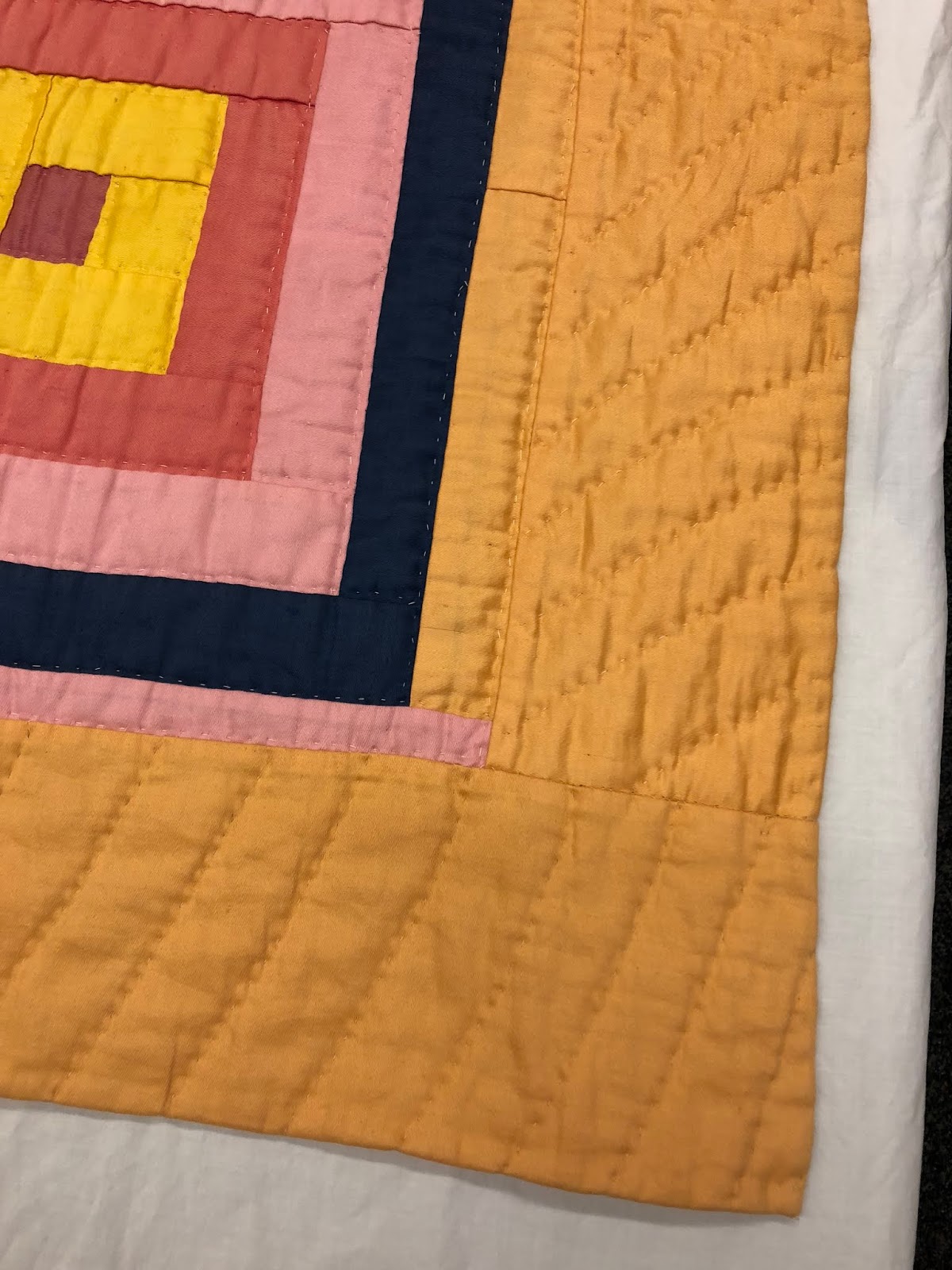
Made by Wendy Caton Reed:




In other news, I am just busy with Christmas preparations, really looking forward to having all the kids here.
I am also processing the news that Kaela and family will be moving to San Francisco after the holidays... for a new great job... and taking my three grand babies with them, as they must, lol. They say they will be back to North Carolina after a few years. Here's hoping!
So we have been relishing every moment with them. Charlotte loves our riotous collection of hashioki (chopstick rests) -


I still feel new in my local quilt guild but I've told myself to "give it a year" in the hopes of finding quilting kindred spirits. Tonight is a holiday potluck I am prepared with all of my homework - hospital pillowcases; donation blocks for QOV quilts; BOM blocks; Yankee Swap gift...


I hope that if you are reading this, you are doing well in spirit and that you will be spending time with loved ones in the coming weeks. The holidays can be fraught, I know.
Still, Merry Christmas to those who celebrate, and Happy New Year all around.
xo
Cynthia